Topkapı Palace
- Get link
- X
- Other Apps
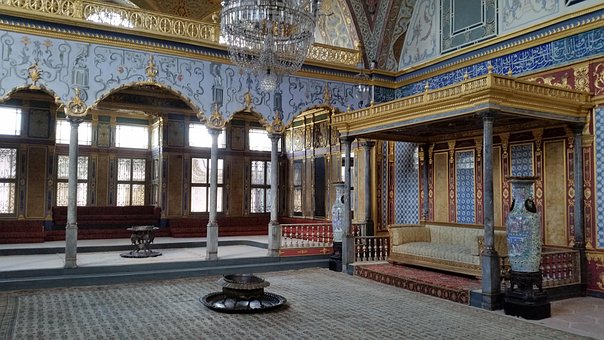 One of the most extensive and fascinating monuments of the Ottoman architecture
is the Topkapi Palace in Istanbul, and apart from its architectural
and historical importance it contains, as a museum, extraordinary collections of porcelain
armor, fabrics, jewels, manusc
ripts, calligraphy, and many other objects of art belonging to
the sultans of the time. A casual visit requires several hours, to know it throughly many weeks,
but in today's video, we'll give you a quick tour through its interior.
After entering the complex through the "Imperial Gate", we can find the first courtyard. This was
the only courtyard open to public and where people could celebrate special occasions.
Here we can also find the Hagia Irene which is the oldest church of the Byzantine Empire.
The ticket to the palace is 100 Turkish liras and the museum pat istanbul or Turkey are accepted.
This palace was the main residence of the Ottoman Sultans of the time,
starting from Fatih Sultan Mehmet II, also known as "The Conqueror" until 1856, when the Ottoman
administration moved to the Dolmabahçe Palace, and a very interesting fact about the Topkapi Palace
is that after the founding of the Republic of Turkey, it was converted into a museum on
April 3rd of 1924, having the distinction of being the first museum of the Republic.
it was built at the northern end of the first hill which once was occupied by the ancient
acropolis of Byzantium. its name means "canon gate" and it took it from the main sea-gate full with
armaments in the defense wall surrounding it. This palace wasn't only the private residence
of the sultan and his court it was the seat of the supreme executive and judicial council
of the empire and it housed the largest of the training schools for the imperial civil service.
This is one of the most beautiful sections in the palace, here is the entrance to the harem but
for this, if you want to discover and explore what the harem looks like, then we will be leaving the
link to our video about the harem somewhere up here.
The first hall was a wooden building but throughout the centuries it underwent many restorations.
Here the state affairs were discussed, it was also used for the Grand Vizier's reception of ambassadors, and wedding ceremonies of sultan's daughters.
Here we can find many weapons used by the Ottoman army, those made especially
for the sultans and artifacts gathered from foreign conquests. This is one of the richest
collections of islamic weapons in the world with examples from the 7th to the 20th centuries.
Two of the most fascinating treasures of the palace are the Topkapi dagger which
was a gift from sultan Mahmud I to Nadir Sha of Persia in 1741, and the 86 carat diamond
considered as one of the most valuable in the world "The Spoonmaker's diamond".
Here meals for around five thousand palace staff were prepared every day.
The palace kitchens also produced soap and herbal medicines for the sultan and his family.
We can also see a large exhibition of kitchen utensils, a silver gift
collection, as well as a large collection of porcelain from different dynasties.
This is the most important gate in the Topkapi Palace, the name is the "Gate of Felicity",
and here is what the sultan used to make the most important celebrations in the palace.
No one could pass this gate without the permission of the sultan.
The small stone on the ground marks the place where the banner of prophet Muhammed was unfurled.
the grand Vizier or the commander going to war was entrusted with this banner in a solemn ceremony.
Built in the 15th century is the place where the
sultan would sit in his throne and receive foreign ambassadors
as well as viziers who would present the sultan the decisions taken by the imperial council.
This is the heart of the palace and is also known as "the inner palace", here we can find
the quarters of the "ağas" where they were also thought art calligraphy, music, and painting.
It houses what are considered to be the most sacred relics of the Muslim world. We can see
the cloak of prophet Muhammad, two swords, a bow, one tooth, a hair of his beard, and many other important relics.
This area is adorned with many kiosks or pavilions covered with outstanding tiles,
gardens, and terraces.
It was a private sanctuary of the sultan and his family.
Here we can also find a beautiful gilt-bronze canopy
called "Iftariye" erected by sultan ibrahim in 1640.
It was built to commemorate the Baghdad campaign of Murat IV after 1638.
It was built during Sultan Suleiman's period and underwent many restorations
until it acquired its current aspect during Sultan Ibrahim I
reign, it is where the circumcision of young princes was taking place.
Some of the most beautiful views that we can have from here the palace are definitely here
on the fourth courtyard, and as you can see behind me we can have amazing views from the
sea of Marmara, the Bosphorus strait and the bridge, and even the Asian side of the city
especially Kadikoy, just enjoy these beauties.
- Get link
- X
- Other Apps


Comments
Post a Comment