Virus structure and Classification
- Get link
- X
- Other Apps
kill viruses how to culture viruses what
are the properties of viruses and how
viruses replicate wh
at are the different
type of infectious viruse
s for us for
human for other animals so viruses are
micro organisms and they're as small as
100 nanometers that means that they are
kind of thousands folds smaller than a
bacteria which is in order of micrometer
now bacteria can be visualized with
normal microscope like lab microscopes
and all but with sophisticated
fluorescent microscopes or for
sophisticated high-resolution light
microscope we cannot see our virus
because our light microscope resolution
is somewhere around 200 nanometer
theoretical range be below 200 nanometer
it cannot delineate between two
different features so our resolution is
poor in order to visualize viruses we
either need electron microscope or we
need super resolution microscope
obviously there are other biochemical
and molecular way of detecting virus but
just to visualize them we need either
super resolution or electron microscope
so they are that small so let's talk
about few quick features about the
viruses so they are inanimate objects
that don't have a cellular organization
and when they are outside of the host
they are pretty much inanimate they
don't have a life but they come to life
when they get inside the host pretty
much like the zombies so viruses are
obligate intracellular parasite
therefore right now despite of no
cellular organization one might expect
that their mode of replication or their
mode of reproduction would be relatively
easier just like budding kind of stuff
which east used to use right
unfortunately it's way more complicated
than we can imagine and they have
sophisticated mechanism that they use
for replication I
several videos on viral replication both
for RNA and DNA viruses so do click on
the link at the in screen to visit that
now they are unaffected by the
antibiotics because they are not
bacteria so why they would be affected
on antibiotics and because bacterial
membrane property or the way antibiotics
work is very different for viruses so
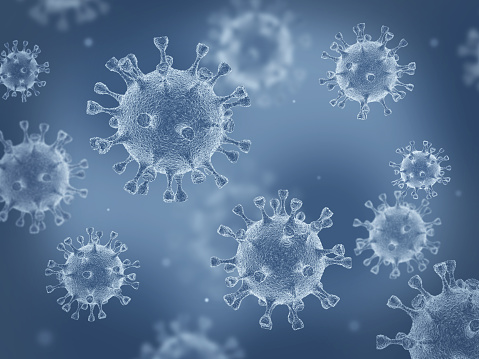
this is an overall structure of a virus
and let's just go through its key
features one by one so first of all they
have a coat it's like a jacket so the
jacket of the virus is known of envelope
mostly they're made up of lipids which
are derived from the host cell membrane
now if you go inside the envelope there
would be a proteinaceous coat this
protein Isha's cork is known as capsid
which is encasing the viral genome so
that means if you remove the capsid what
you would end up getting is the viral
genome which might be DNA or might be
RNA and virus are the only one type of
organism in this whole world who use DNA
and RNA I mean they can potentially use
DNA or RNA as the genetic material all
of the organism use DNA as their genetic
blueprint they don't encode the
information in RNA but virus does and
that has a very interesting implication
in terms of evolution people think that
these viruses are the prevalent
organisms from the RNA world now they
have different type of cap seeds and cap
seeds have different shapes and sizes
these cap seeds can be classified based
on their symmetry like here in tobacco
modest mosaic virus we see this kind of
helical organization of the cap seeds
with the advancement of structural
biology and now we classify that as a
helical capsid symmetry now there are
other capsid symmetry types such as it
was a head roll like adenoviruses have
this kind of symmetry we'd come to what
is eco Sahara land all of these things
very few viruses have very complex kind
of capsid symmetry and we're not going
to talk that much about these complex
symmetry in this video but let's talk
about icosahedron which is a polyhedra
having 12 vertices and twin deficits so
simply these icosahedron symmetric and
we also present him the capsid that
means it simply has 20 faces now the
shape of these unified the the monomers
of these eyes icosahedral cap so mirrors
are these ICA's hydral cap seeds might
be varying in shape for example this
case the facet is triangular in shape
and in the lower example it is hexagonal
in shape so depending upon what type of
shape they take it might defect it might
it might be different right so and it
has important biological implication
which would we would understand in this
whole video series when we try to
understand their virulence their
mechanism of action and all of these
things now an important terminology we
need to understand when we are talking
about biology is belper Mars Palpa Mars
are glycoproteins spike proteins which
are present on the viral capsid or may
be in the viral envelope of a virus okay
so that means simply these proteins
which are spikes or envelope proteins
these are actually performers okay they
are known as purple Mars now envelope
gives virus its biological property or
biological attribute it also determines
its virulence how it would enter the
cell make it more dangerous so this
envelope is very important but the good
thing about envelope is it is a lipid so
it would be susceptible to the action of
detergent so will come about come to
what are the detergent and disinfectants
could be used to kill virus essentially
so we are going to talk about that in
this whole video series now let's talk
about the classification of the viruses
so viruses are classified based on their
genetic materials based on their
symmetry and all of these things and
presence of envelope and all of these
things so we understand the basis of
classification while we read read the
their features now there are DNA viruses
which could be either enveloped or non
enveloped the non-enveloped viruses are
known as the naked viruses now the
envelope viruses might have dsDNA dsDNA
as their genetic material they could
also have
single-stranded DNA as their genetic
material now
this case I am giving example of both in
case of non-enveloped viruses you could
also have single strand or double
double-stranded DNA for the move
stranded DNA viruses which are enveloped
key examples that we always get to hear
from people are harpies bad nap box etc
whereas in case of the double-stranded
DNA they are Popova adeno and parvo
virus parvo is the single-stranded DNA
viruses which are naked so this is a
very important concept or very important
classification that we just need to keep
in the back of our head now RNA viruses
also have RNA as their genetic material
so they could have either
double-stranded RNA or a single-stranded
RNA now the single-stranded RNA the key
example of the double stranded RNA virus
is a real virus now the single-stranded
double single-stranded RNA viruses are
divided or the sub classified into two
groups positive sense RNA and negative
sense RNA don't understand these terms
what are positive sense RNA water- sense
RNA it would be ultra clear when we talk
about the mode of replication of the RNA
viruses and the link would be given in
the in screen so please watch this video
till the end okay so the positive sense
RNA virus there examples are toca virus
flava very edgy corona' very G rare
ability etc whereas the naked viruses
which don't have the envelope they are
pecan already family so we just talked
about the family name I'm not talking
about any specific virus name and the
enveloped virus are generally Brunner
viridi / AMEX so ortho makes a very dear
ab divinity etc so this video pretty
much give you an overview of the virus
features their cellular feature I mean
we cannot talk about cellular features
when we are talking about viruses
because they are not sell but molecular
features of the viruses and also it
talks about the genetic material that
the virus has and we classified the
viruses as DNA and RNA viruses based on
the genetic material and based on their
envelope presence of envelope or their
symmetry and all of these things
- Get link
- X
- Other Apps


Comments
Post a Comment